Sarah Palin, 61, Sh0ws 0ff Her Stunning Figure in New B1klnl Photos ✨
Sarah Palin endures as a widely recognized and debated presence in modern American politics. Yet alongside her policy positions and political trajectory, her public persona was fundamentally influenced by her visual presentation, wardrobe, and personal styling. Current retrospectives on her 2008 vice-presidential bid illustrate how her sartorial decisions sparked extensive national dialogue regarding media coverage, gender dynamics, and the heightened significance of aesthetics in high-stakes campaigning.
Historically, female leaders navigating high-profile public offices encountered rigid and narrow aesthetic standards. To minimize distractions from their political platforms, women typically relied on neutral tones, modest tailoring, and minimal ornamentation. Palin altered this convention by embracing a more modern aesthetic, frequently appearing in vibrant hues, sharply structured blazers, coordinating accessories, and precisely assembled ensembles that broke away from conventional, subdued campaign attire.
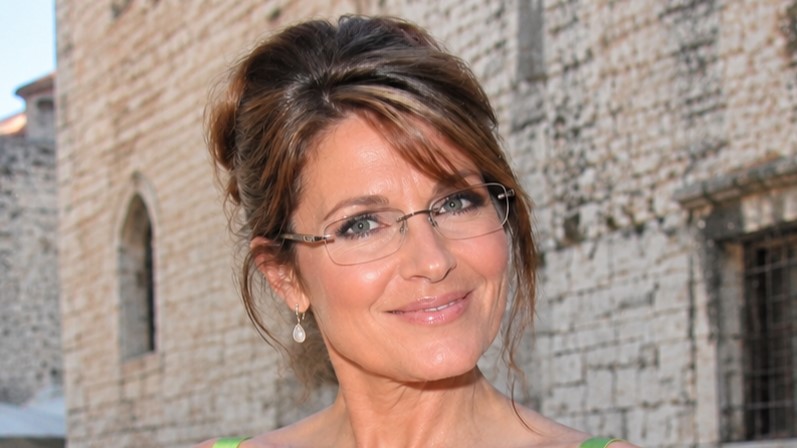
This distinctive aesthetic stood out vividly within the broadcast-heavy media ecosystem of 2008. As Palin frequented national debates, broadcast interviews, and large-scale rallies, round-the-clock television and photographic coverage placed every visual detail under intense focus. Her signature eyeglasses, sculpted blazers, pencil skirts, and polished grooming coalesced into an unmistakable brand identity that amplified her rapid ascent on the national stage.
Her visual strategy spanned far beyond formal political suiting. During informal stops and outdoor gatherings, Palin was routinely captured in denim, utilitarian outerwear, cozy layering, and activewear familiar to everyday citizens. The interplay between these relatable, casual garments and her elevated campaign apparel established a deliberate balance, blending conventional political authority with a down-to-earth, approachable sensibility.
Ultimately, the preoccupation with Palin’s aesthetic underscored the disproportionate media scrutiny frequently endured by female public figures compared to their male peers. While advocates praised her style as an authentic display of confidence, detractors argued that the fixation on her outfits overshadowed meaningful policy debate. In hindsight, her 2008 campaign stands as a compelling case study in modern political communication, illustrating how visual branding, gender, and broadcast media converge to define a candidate’s lasting legacy.