Sarah Palin, 61, FIaunts Her Stunning Figure in New B1klni Photos 👙📸🔥
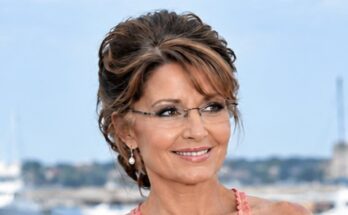
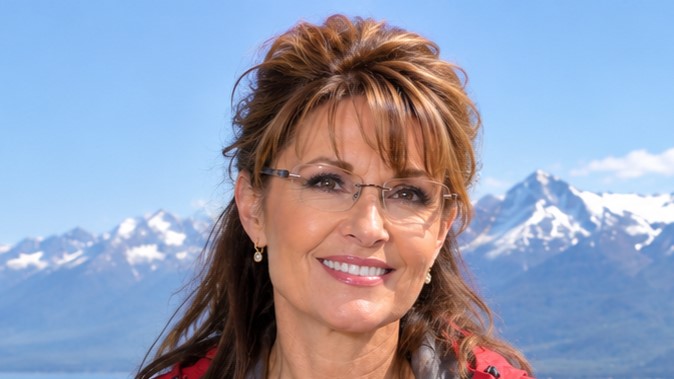
Sarah Palin has remained a recognizable and often debated figure in American political life, but her public image has also attracted attention for another reason: her distinctive approach to fashion and presentation. A recent retrospective revisits the way her appearance during the 2008 vice-presidential campaign became part of the broader conversation about women, media, and political image. Looking beyond campaign headlines, the discussion examines how Palin’s clothing, accessories, and on-camera presentation differed from the more conventional style associated with Washington politics.
For much of modern political history, women seeking prominent office have faced complicated expectations about appearance. Professional suits, conservative colors, and restrained silhouettes often became the safest choices for avoiding unnecessary attention. Palin’s campaign wardrobe frequently took a more contemporary approach, incorporating fitted tailoring, brighter colors, skirts, and carefully coordinated accessories. Her style therefore became another visible element of the highly scrutinized public persona she brought to the national stage.
Her appearance was particularly suited to the television-driven environment of the 2008 campaign. Structured blazers, tailored skirts, distinctive eyewear, and polished styling created a recognizable visual identity that translated easily to photographs and broadcast coverage. The attention surrounding these choices demonstrated how quickly clothing can become part of the public conversation when a political figure is repeatedly photographed and televised.
Away from formal campaign events, Palin also appeared in more casual clothing, including jackets, denim, athletic-inspired layers, and everyday American staples. These choices contrasted with the traditional formalwear associated with national political campaigns and contributed to the image of a candidate presenting herself as connected to ordinary voters. Whether intentional branding or simply personal preference, the combination of formal and casual clothing became an identifiable part of her public presentation.
The continuing discussion around Palin’s style reflects a larger conversation about appearance, gender, and political media. Supporters and critics have interpreted her wardrobe in different ways, with some emphasizing personal expression and others questioning whether fashion received too much attention in political coverage. Whatever interpretation one takes, her 2008 campaign remains an example of how clothing, photography, television, and political identity can intersect—and how a public figure’s visual presentation can become an enduring part of their cultural image.