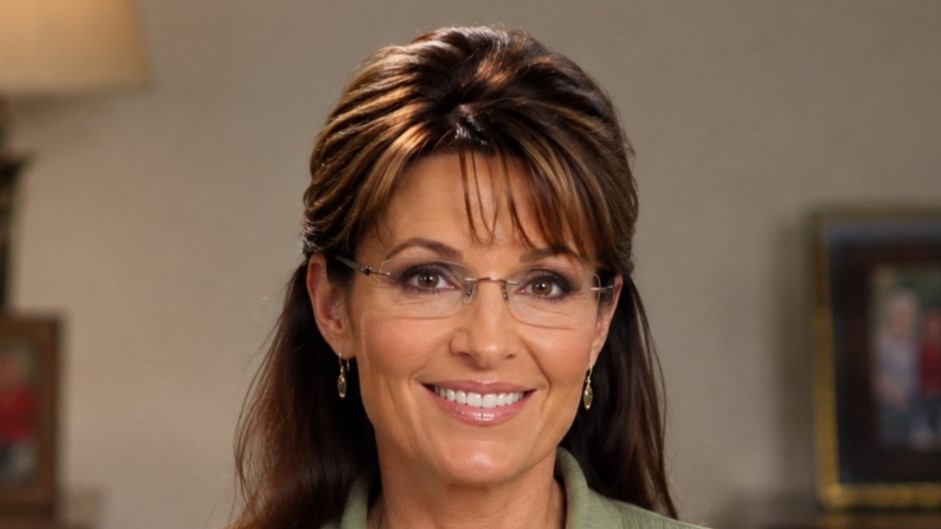
Former Alaska Governor and television personality Sarah Palin has spent decades at the intersection of American politics, media attention, and celebrity culture. She first became a nationally recognized figure as the Republican vice-presidential nominee in 2008, quickly developing a reputation for her outspoken personality and highly recognizable public presence. Since then, her career has continued to attract considerable interest from both political commentators and entertainment media.
Palin’s public image has often extended beyond her political career, with her personality, lifestyle, and fashion choices becoming frequent subjects of discussion. Recent attention surrounding candid photographs of her in relaxed beachwear and casual off-duty clothing has once again placed her in the spotlight. Rather than focusing solely on politics, the conversation has expanded into broader discussions about personal style, confidence, and how public figures navigate life away from formal appearances.
For decades, women in politics—particularly those holding prominent leadership positions—have often faced expectations to follow conservative and carefully controlled standards of appearance. Traditional political fashion has typically emphasized tailored suits, restrained colors, and polished presentation. Palin, by contrast, has frequently maintained a more individualistic approach, combining practical outdoor clothing with contemporary fashion and distinctive accessories.
Her willingness to embrace casual and expressive clothing also reflects a broader shift in how public figures approach aging. Rather than allowing age to determine how she presents herself, Palin has continued to appear comfortable with a range of styles, from professional attire to relaxed everyday looks. Her approach challenges the idea that women in the public eye should become increasingly conservative or invisible as they grow older. The attention surrounding candid celebrity photographs also highlights changing cultural attitudes toward mature women and public visibility. Media coverage can sometimes place disproportionate emphasis on appearance, particularly when women step outside conventional expectations. In Palin’s case, the renewed discussion demonstrates how even seemingly ordinary choices about clothing and presentation can become part of a much larger conversation about gender, aging, and public perception.
Ultimately, Sarah Palin’s enduring public identity is shaped not only by her political history but also by her willingness to maintain a recognizable sense of individuality. Whether appearing at a formal event, participating in television programs, or enjoying time away from the spotlight, she has generally projected a confident and independent persona. The continued interest in her style and lifestyle reflects the lasting fascination surrounding a public figure who has remained comfortable defining herself on her own terms.