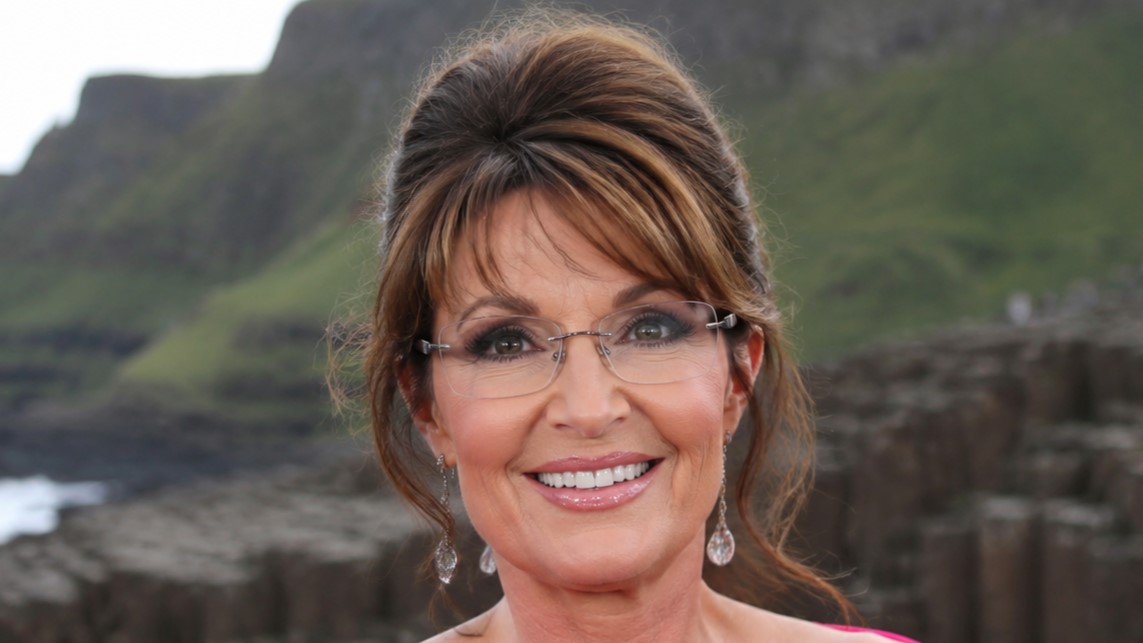
Fans React as Sarah Palin Drops Stunning New Photosh00t 🔥
Former Alaska Governor Sarah Palin continues to command substantial cultural and political attention, remaining a magnetic figure capable of igniting passionate debates across digital platforms. Her latest photoshoot offers a striking visual presence that immediately went viral, generating a massive influx of praise, critique, and speculative commentary. While the immediate chatter inevitably gravitates toward her styling, vitality, and physical appearance, media analysts emphasize that the real phenomenon is structural. It illustrates how rapidly modern internet algorithms can seize a single visual frame and convert it into a sprawling, sensationalized referendum on an individual’s personal life, stripping away context in favor of rapid engagement.
The polarized reception to these images clearly mirrors the fragmented landscape of contemporary public discourse. On one side, enthusiastic supporters celebrate her confidence, poise, and enduring public persona, viewing the photos as an unapologetic statement of self-assurance. Conversely, detractors and bad-faith commentators quickly weaponized the images, parsing every fine detail to impose harsh judgments about aging, authenticity, and calculated image-making. In reality, a photograph captures merely a fraction of a second—a curated, stylized fragment that cannot possibly encompass the multifaceted reality of a person’s everyday existence, health, or emotional journey.
This wave of intense online commentary exposes a persistent cultural double standard regarding aesthetic expectations and aging in the public eye. High-profile women navigating media-heavy arenas face a disproportionate degree of microscopic analysis, where normal physical transitions are treated as either radical triumphs or severe reputational liabilities. When public figures embrace bold styling choices later in their careers, they often challenge conventional societal timelines of visibility, sparking discomfort among critics who prefer rigid, predictable categories for public figures as they mature.
Ultimately, reducing a prominent individual’s narrative to a single visual frame does a disservice to the complex reality of longevity in public life. The widespread fascination with these photos underlines the critical need for digital media literacy, urging audiences to look beyond clickbait headlines and superficial visual hot-takes. True resilience lies in navigating these relentless cycles of public scrutiny on one’s own terms, reminding online observers to exercise nuance and empathy rather than buying into flattened, hyper-critical internet narratives.